
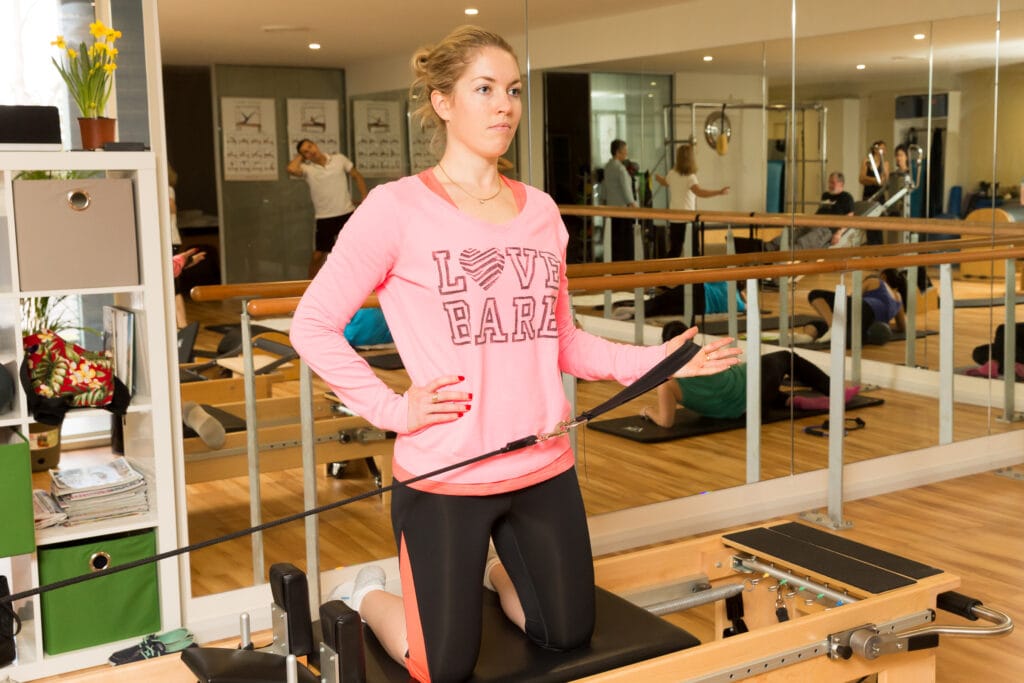
If you are in your 40s or early 50s and noticing that exercise feels harder than it used to, recovery takes longer, or aches and pains seem to appear without warning, this is very common during perimenopause.
At Healthy Innovations in Thornleigh, we see many women who were previously active, strong and pain free, and are now confused about why their body feels different even though they have not changed much about how they train.
What changes in the body during perimenopause?
Perimenopause involves significant hormonal fluctuations, particularly changes in oestrogen levels. Oestrogen has an important role in many tissues throughout the body, including muscles, joints and connective tissue.
As hormone levels fluctuate, women may notice:
- Increased joint or tendon pain
- Stiffness first thing in the morning or after sitting
- Slower recovery after exercise
- Flare ups that seem to happen without a clear cause
These changes do not mean your body is failing or that exercise is harmful. They mean your tissues are responding differently to load and stress.
Why pushing through pain often makes things worse
A very common pattern we see is women continuing to train exactly the way they always have. This might include the same gym classes, the same running routine or the same weights, often combined with busy work and family schedules and poor recovery.
What used to be tolerated easily can now lead to:
- Recurrent pain or injury
- Tendon issues
- Back or hip pain
- Loss of confidence with movement
Pain during perimenopause is rarely just about weakness. It is usually related to how much load the body is handling and how well it is recovering between sessions.
What works better during perimenopause
From a physiotherapy perspective, the most effective approach includes a few key principles.
Strength training is still essential, but it needs to be progressive and well planned. Technique, volume and rest periods matter more than they did before.
Load needs to be managed carefully. Not every session should be high intensity, and recovery days are not optional.
Choosing the right type of exercise is just as important as how often you train.
Certain joints, particularly the hips, spine and shoulders, often need targeted support rather than general exercise programs.
The nervous system also plays a role. Poor sleep, stress and hormonal changes can increase pain sensitivity and affect how the body heals.
Most importantly, programs need to be individualised. What works for one person may not work for another, even at the same stage of life.
How physiotherapy can help
Physiotherapy during perimenopause is not just about treating injuries once they are severe.
At Healthy Innovations, we focus on helping women understand why their body feels different and how to adjust their training safely. This includes modifying exercise without stopping it, building strength in a way that supports joints and reducing the risk of ongoing flare ups.
We also work closely with Pilates, massage and chiropractic care when appropriate, as many women benefit from a coordinated approach rather than relying on a single treatment style.
The key takeaway
Perimenopause does not mean you have to stop exercising or accept ongoing pain. It does mean your body needs a smarter, more supported approach.
If you are experiencing new pain, recurring injuries or uncertainty about how to exercise safely, early assessment and guidance can prevent small issues from becoming long term problems.
Healthy Innovations provides physiotherapy in Thornleigh with a strong focus on helping women stay active, strong and confident through perimenopause and beyond.
Related reading