
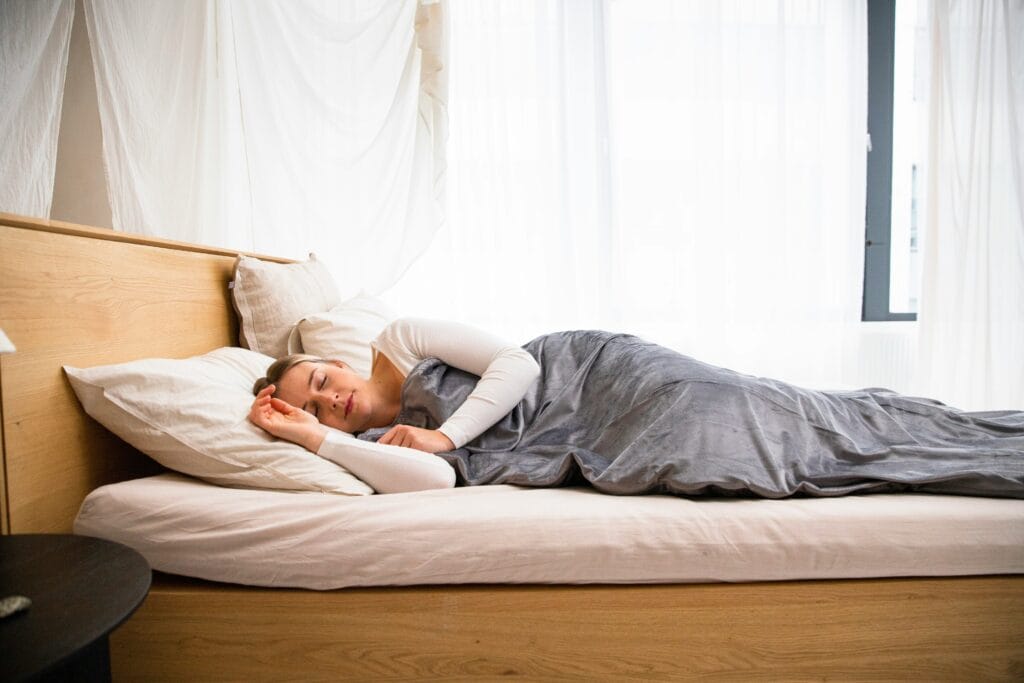
Many women notice that their pain flares during busy or stressful periods, even when they have not changed how they exercise. Others find that pain is worse after poor sleep, despite resting more. Reduced stability and muscle control can compound the effects of stress on pain levels.
At Healthy Innovations in Thornleigh, this connection between stress, sleep and pain is something we see frequently in women in their 40s and 50s. Pain is not just a physical issue. It is strongly influenced by how the nervous system is functioning.
Why pain feels worse during stress
Stress places load on the nervous system. When stress is ongoing, the body stays in a heightened state of alert – commonly referred to as “Fight or Flight”
This can lead to:
- Increased muscle tension
- Reduced recovery between activities
- Heightened pain sensitivity
- Reduced tolerance to normal movement and load
- Reduced stability and muscle control can compound the effects of stress on pain levels.
During perimenopause and menopause, hormonal changes can amplify this response, making the body more reactive to stress than it was previously.
The role of sleep in pain management
Sleep is essential for tissue repair, nervous system regulation and pain modulation.
When sleep quality is poor:
- Muscles recover more slowly
- Joints feel stiffer and more irritable
- Pain thresholds decrease
- Fatigue increases the risk of flare ups
Many midlife women experience disrupted sleep due to hormonal changes, stress or pain itself, creating a cycle where pain and poor sleep reinforce each other.
Why pain can persist even without injury
Pain does not always mean damage.
When the nervous system is overloaded by stress, poor sleep and ongoing demands, it can become more sensitive. This means pain may be triggered by movements or activities that were previously well tolerated.
In this state, pushing harder or ignoring symptoms often leads to worsening pain rather than improvement. This is one reason why pain can keep coming back even when someone is exercising regularly
How physiotherapy, chiropractic and massage support recovery
Managing pain linked to stress and sleep requires a whole body approach.
Physiotherapy focuses on improving movement confidence, reducing physical overload and guiding graded return to activity. This helps the body feel safer during movement.
Chiropractic care supports joint mobility, particularly through the spine. Improved movement can reduce physical stress signals sent to the nervous system.
Massage therapy helps reduce muscle tension and supports relaxation. This can assist nervous system down regulation and improve sleep quality when used appropriately.
Together, these approaches help reduce overall load on the body and support recovery rather than adding more stress.
Practical steps that help reduce pain sensitivity
While treatment is important, daily habits also matter.
Helpful strategies often include:
- Maintaining gentle, regular movement
- Avoiding sudden spikes in activity
- Prioritising sleep routines
- Reducing all or nothing exercise patterns
- Addressing pain early rather than waiting for flare ups
Small changes can significantly reduce pain sensitivity over time.
The key takeaway
Pain that flares during stress or poor sleep is not imagined and it is not a sign of weakness.
It is often a signal that the nervous system needs support alongside physical care.
Healthy Innovations provides physiotherapy, chiropractic and massage therapy in Thornleigh, with a strong focus on helping women manage pain, improve sleep and move with confidence through midlife and beyond.
Related reading