
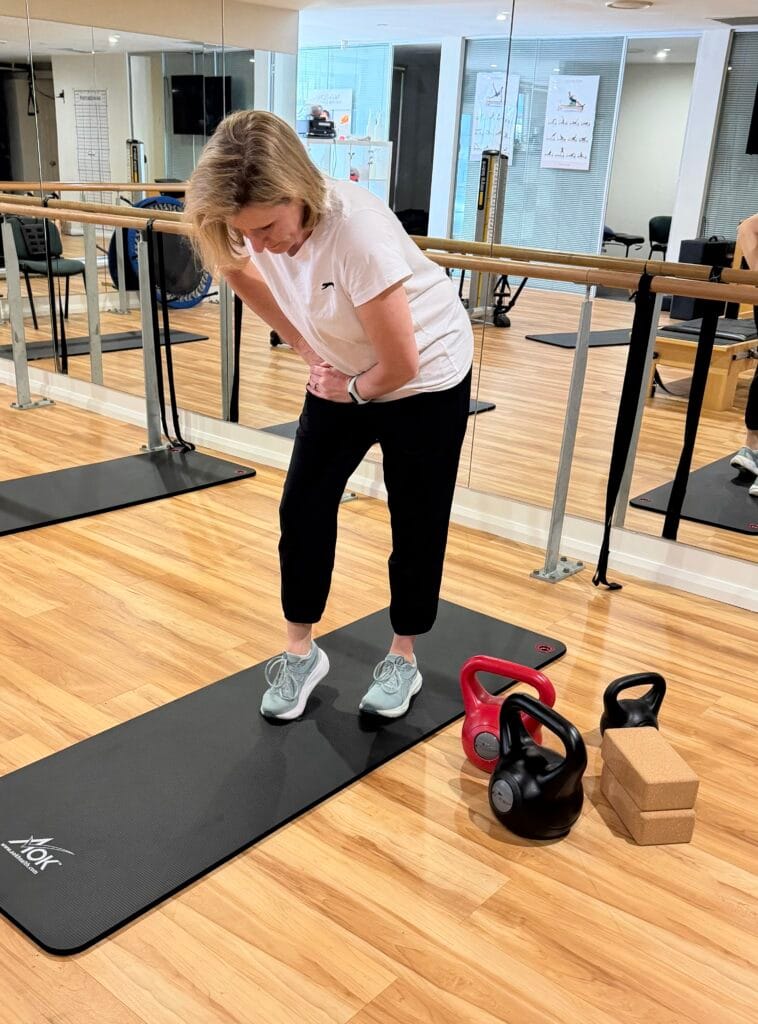
Hip pain is one of the most common reasons women in their 40s and 50s seek help. It can show up when walking, exercising, sleeping on one side or even getting out of the car. For many women, the pain seems to appear without a clear injury.
At Healthy Innovations in Thornleigh, hip pain is rarely caused by the hip joint alone. In midlife, it is often the result of how the hip, pelvis and spine are working together.
Why hip pain becomes more common in midlife
During perimenopause and menopause, changes occur that affect how the body manages load.
These include:
- Reduced muscle strength around the hips and pelvis
- Changes in joint mobility, particularly through the spine and pelvis
- Slower recovery between activities
- Increased sensitivity to pain
At the same time, many women are balancing work, family and exercise with limited recovery. This combination can overload the hip region, even when activity levels have not changed significantly.
Common causes of hip pain we see in clinic
Hip pain in midlife women is often linked to one or more of the following.
Restricted movement through the lower back or pelvis can shift extra load into the hip joint.
Reduced strength through the gluteal muscles can increase strain on the hip and surrounding tissues.
Poor load tolerance, where walking, gym work or Pilates volume exceeds what the tissues can currently manage.
Reduced core control and pelvic stability can increase the load going through the hips.
Side sleeping discomfort caused by poor pelvic control or muscle fatigue rather than joint damage.
In many cases, imaging shows little or no structural damage, which can be confusing for people experiencing significant pain.
Why rest alone is rarely effective
When hip pain develops, many women reduce activity or stop exercising altogether. While this may settle symptoms temporarily, it often leads to reduced strength and confidence with movement.
Without addressing joint movement and muscle support, pain commonly returns once activity is resumed.
The goal is rarely complete rest. The goal is appropriate movement with the right level of support. Choosing the right type of exercise can make a significant difference to how the hips tolerate load.
How physiotherapy and chiropractic care help hip pain
Physiotherapy focuses on improving strength, control and load tolerance around the hip, pelvis and lower back. This helps the body cope with daily activities and exercise without recurring pain. Individualised physiotherapy treatment can address hip loading, strength deficits and movement patterns.
Chiropractic care focuses on restoring joint mobility, particularly through the spine and pelvis. Improving movement in these areas can reduce strain on the hip and decrease protective muscle tension.
For many midlife women, combining these approaches leads to better and more lasting results than addressing the hip alone.
The key takeaway
Hip pain in midlife women is common, but it is not something you have to accept as part of ageing.
Understanding how the hip, pelvis and spine are working together is key to long term improvement.
Healthy Innovations provides physiotherapy and chiropractic care in Thornleigh, with a strong focus on helping women reduce hip pain and stay active with confidence through midlife and beyond.
Related reading